
I’m Tatiana, a Queen Mary University of London History student, just about to finish studying abroad at Koç University in Istanbul for the last year. Going abroad was in my plans from the minute I started researching uni courses. But having health issues also made it much more complicated, and meant I had to plan and check everything. For me, choosing which universities to look at wasn’t just about the cities and the courses, but I also had to consider healthcare, insurance, the cuisine and food allergies, general accessibility of the city and so much more. Whilst I researched a lot before I came, and felt prepared to come here, there were also things I wish I knew before coming!



What I did to prepare/points for you to consider:
- I looked thoroughly at where the university was, particularly with public transport and how accessible it was. I then decided that I’d live near campus, given I would be on campus most days. This worked amazingly, with a free 10-minute shuttle to the main campus making things so accessible for me.
- Researched the health centre on campus and looked into different doctors. I found potential hospitals before going and had a list of potential doctors. I also researched the common treatment paths for my conditions and then discussed these with my doctors.
- Researched meds! This one is key – I knew some of my meds were controlled medication in the UK, and ended up being the same in Turkey. I got a full 2 month prescription before I left, and then had to see a specialist in order to get more medication scripts done here in Turkey. They can arrest you if you get the medication without the right prescriptions, so it’s important to check.
- Make sure you’re up to date with all vaccines, and check if you need any extra for the country. I had all my vaccines up to date, and the extra ones from other travels already, but I was eligible for an extra dose of the pneumococcal and flu vaccines etc., so I had those done before going. Any chance to reduce getting normal person sick on top of dealing with health issues is a definite win.
- Checked the availability of allergen safe food for me, particularly with bulgur wheat and bread being huge in Turkey. I was quite nervous, but I joined some ‘Gluten free in Turkey’ groups, researched safe restaurants near me and in the centre, learned the necessary phrases in Turkish, and have actually found it easier most of the time than when I’m in London, like getting gluten free pasta on campus!
- Sort out your insurance! Thankfully, I already had UK coverage, so I talked to my insurance company and got it switched to worldwide coverage, including Turkey. Have a long conversation about this, as obviously the different levels of support can cost vastly different amounts. Also allow time to fill all the paperwork – as I was switching to worldwide coverage, I had to fill in quite a lot of paperwork, more if you have any health issues.
- Research the courses thoroughly. I found that most courses had attendance policies etc., so I reached out to the teachers to let them know about my health, and found generally everyone was very willing to accommodate and help.
- Look into if you can get more luggage allowance. I know some airlines do offer additional allowance for food or health reasons if you contact them (and I took some safe dry food for me so I didn’t have to worry during the first week of moving and settling in). Also check for student discounts, Turkish Airlines offer a student rate which gives you a discount and 40kg of luggage, which is brilliant as I find I always have to bring more things with my various health issues.
What I wish I had done/tips for you to consider:
- Had a more detailed discussion about going abroad with my doctors in Turkey. I wish I had reached out to them before moving abroad and actively chosen one. I didn’t so that I had time to settle in and then deal with my health issues, but it ended up just being a stress to have to try to choose a doctor who understood my rare conditions after moving and trying to balance uni work as well.
- Reached out to Koç to see if it would be possible to talk to a current student under their equality department to get another student’s views! I thought before going that talking with someone from the equality department would be enough, but when I arrived I still felt quite anxious about it all, particularly during the first couple of weeks of term before my accommodations were put into place.
- Check if your insurance will require you to pay upfront for the appointments etc., and then they will pay you back or not. In the UK, I just had to inform them beforehand and they would pay it automatically, so I assumed it would be the same here as it’s the same company. But in Turkey specifically, I have to pay upfront and then they reimburse me, so I was incredibly grateful to have the Turing Grant so I could afford to pay it upfront!
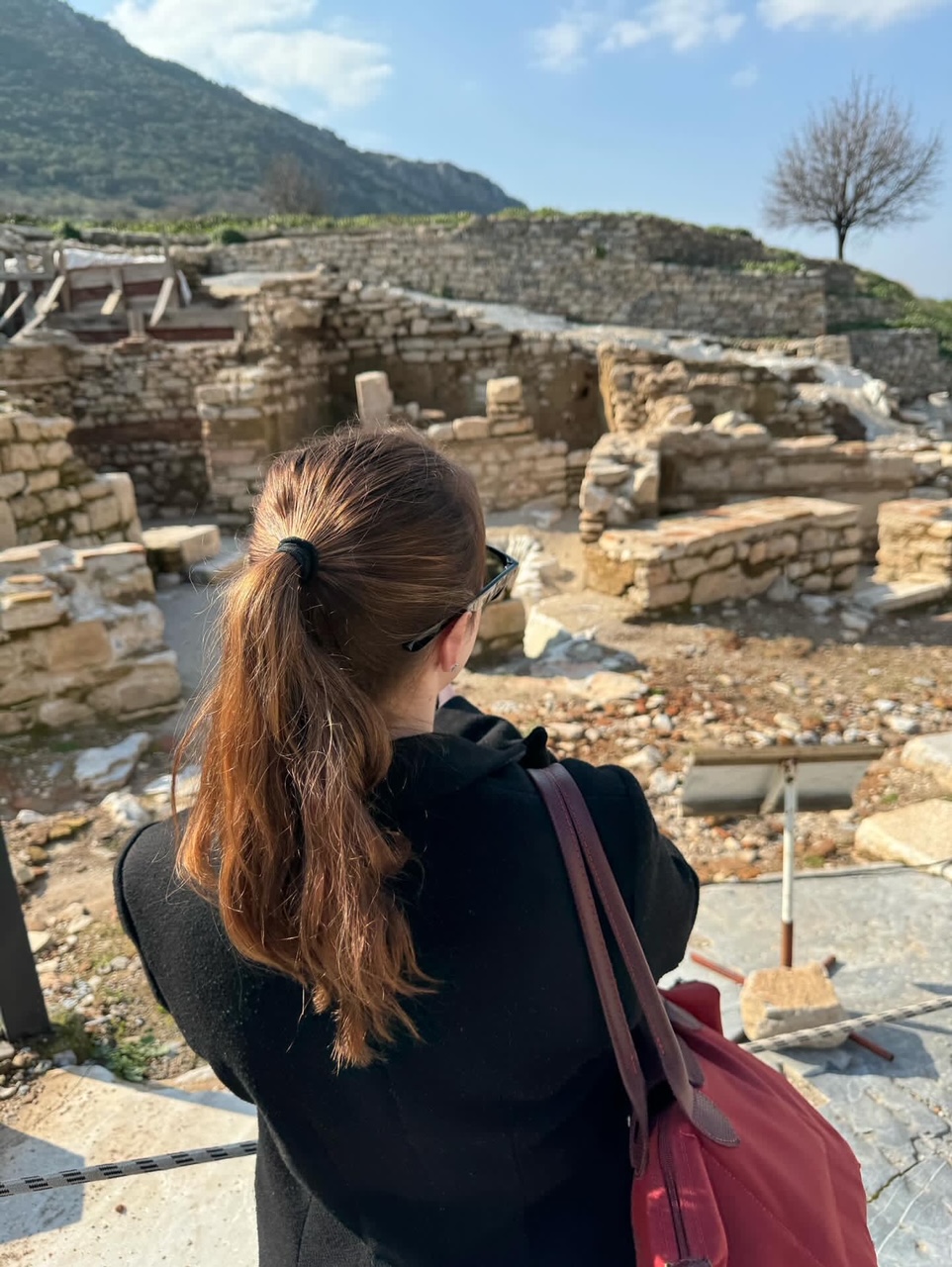
Finally, make sure that you still have fun! Starting before I moved, I found tons of places I wanted to travel to. With the help of the Turing Scheme grant, I’ve had multiple trips to Antalya, been to Ephesus and Izmir, Ankara, visited so many places in Istanbul from Kadıköy and the Princes Islands (as a foreigner, I couldn’t have afforded all the entry prices without the grant). After exams I’m going to visit Cappadocia, go to Bodrum and more. I did have plans to visit other places in Turkey, but unfortunately I had lots of exams so I couldn’t. But I now have so many places to visit in the future, like Kars in Eastern Turkey, that I wouldn’t have known about before moving here!



 Queen Mary Global Bloggers