
Hi! My name is Natasha, and I am currently on my year abroad from Queen Mary University of London as a Geography student, on exchange in South Korea. Studying in the most prestigious university in a foreign country with a culture and language quite different to mine brings around lots of anxiety and uncertainty, but let me show you how it became one the best choices I have ever made….
My personal survival guide to you…

Transport:
Seoul has one of the best transport systems- reminds me of London but better… When arriving at Incheon Airport, go straight to a CU convenience store (this store will be your best friend in Korea, believe me) and there you will buy a T-money Card. Make sure you have cash as it is the only way to top up the card (you can do it at any convenience store or at any train station). You can use the card for any transport in and out of Seoul including taxis.
Before arriving in Korea download these free transportation apps: Kakao maps, Kakao taxi, Naver
K-Food
If you are a big foodie like me, Seoul will be your paradise. Although you will be able to access western food at any time you will be amazed by the Korean cuisine- let me just give you a few dishes and snacks you have to try!
- Kimchi (김치)- crunchy salad made up of fermented vegetables with cabbage as its main ingredient – always served as a side at any Korean restaurant.
- Bibimbap (비빔밥)- a mixture of rice, vegetables, beef, gochujang (hot chili paste), and a fried egg seasoned with soy sauce and sesame seeds.
- Samgyeopsal (삼겹살)- thick slices of pork belly meat grilled on your table and not marinated. The strips are dipped in seasoning made with sesame oil and wrapped in lettuce along with a strip of garlic and onion- A good meal to have with friends.
- Japchae (잡채)- is made up of glass noodles stirred in sesame oil with beef, mushrooms, and an assortment of other vegetables. These clear, thin noodles are made with sweet potatoes.
- Jjajangmyeon (짜장면)- although originally a Chinese dish, Koreans have taken the noodles and created a better version.
- Tteokbokki (떡볶이)- sweet and chewy rice cakes and fish cakes. The steamed rice cakes are stirred up with fish cakes and scallions in a special sauce made of chilli paste and soybean paste.
- Kalguksu (칼국수) – chunky noodles with ingredients that can include shellfish, ground beef, and chicken- perfect for the winter! 🥶
- Bulgogi (불고기)- Korean grilled beef
- Bingsu (빙수)- Arguably one of the most famous Korean desserts, it is a bowl of a huge mountain of ice shavings and condensed milk decorated with toppings of your choice from fruits to chocolate.
- Hotteok (호떡) – It is a type of pancake which can be filled with cinnamon and sugar syrup (really hot!) – perfect for winter as well.


To try some of these dishes, plus some of the street foods I recommend going to Gwanjang Market (which is close by to Gyeongbokgung Palace- perfect day trip) Majority of the stalls accept only cash but if you forget to bring some, don’t worry as there are plenty of ATMs around.
If you have any special dietary requirements, you may experience some difficulty when ordering but I recommend a free app called Papago where you can take a picture and it can translate menus and the ingredient sections on packages. (A real lifesaver).
Here is a list of the restaurants/ cafes I have been to and would totally recommend you going:
- Mega Cafe & Compose Cafe- There is a reason why I put them together – they sell the same products at almost similar prices, you can’t miss them they are bright yellow – they are EVERYWHERE. If you are on a budget like me that’s the place to go for a the perfect-sized coffee for the perfect price
- Hollys Coffee and A Twosome Place- very famous chains which can be found everywhere although it is a bit pricier than the previous one, but in these ones, it provides a good place to study- If you happen to celebrate your birthday in Korea make sure you buy your birthday cake from A Twosome Place 🎂 (it won’t disappoint)
- Paris Baguette- is one of my favourite places to buy sandwiches, pastries and salads etc. There is one on Seoul National campus so you cannot miss it.
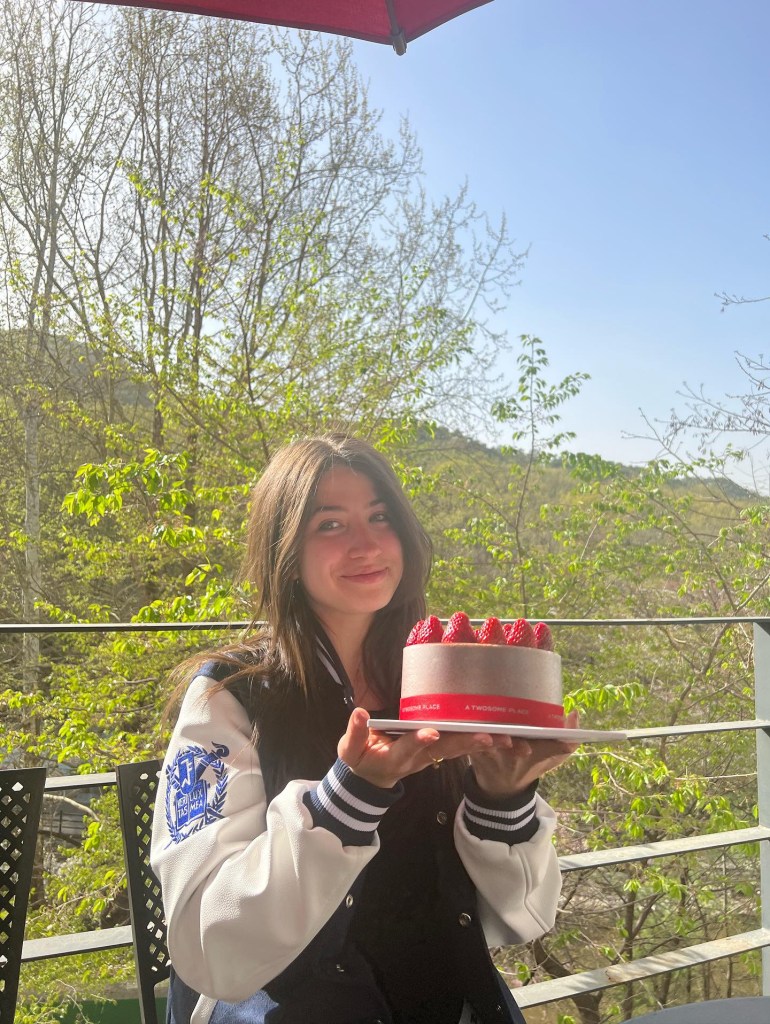
To check out more on Seoul’s notorious cafes check out the other blogs….
- Egg Drop- this franchise can be found everywhere in Korea; they are known for serving premium Gourmet Egg sandwiches (They are to die for 😍 !!!) there is one right beside Seoul National University station.
- Myeongdong Kyoja- A Michelin-guided restaurant with a 4-item menu set in the heart of Seoul’s retail and fashion world- Try out their big bowl of Dumpling Noodle Soup (8,000 won -£4.80)
- Yoogane- Chicken Galbi restaurant- affordable and delicious and can be found everywhere including Seoul National Station
- Gangnam Pork Sanghoe Unlimited Refill (Hongik Univ Branch)- Here at the clubbing/shopping district you will find a Korean BBQ restaurant for cheap, under 20,000 won (£12.01) you will be able to eat an unlimited amount of pork, rice and many other side dishes and sauces.
Cultural experiences
Seoul is full of amazing museums and galleries. I recommend going to these:
- National Museums of Korea
- War Memorial of Korea
- National Palace Museums
- National Museum of Contemporary Art
One of the most unforgettable experiences I’ve had in Seoul was when I dressed up in the traditional clothing (hanboks) which I rented in one of the many rental stores and went to take pictures in the many photo booths in the area and walked the grounds of Gyeongbokgung Palace and Bukchon village which is also close by.

EXTRA TIPS
- When packing be aware of South Korea’s extreme weather- bring the big jackets! I experienced one of the coldest winters of my life here… temperatures dropped to -15 degrees Celsius ❄️ and stayed around that throughout December and January. During the summer expect lots of humidity and rain
- I recommend Chingu Mobile when purchasing a SIM card as they provide really good student discounts and a good English customer service.
- Do not expect people here to know English, but you are in luck as the universities in Seoul offer paid and free Korean classes so be sure to apply!
Hello= An-nyeong ha se-yo (안녕하세요)
Yes (very popular word, its equivalent to ‘yeah’) = Ne (네)
No= A-ni-yo (아니요)
Thank you=Gam-sa-hab-ni-da (감사합니다)
- When receiving or giving something to someone (e.g.. Paying the cashier at a restaurant) use both hands. To be extra respectful, do a little short bow
- Even though masks are not mandatory in Korea, I would advise you to bring some as the air quality can be quite bad at certain times of the year
- When in Korea make sure to book trips and visit Busan, Jeju Island, Nami Island (it won’t disappoint).
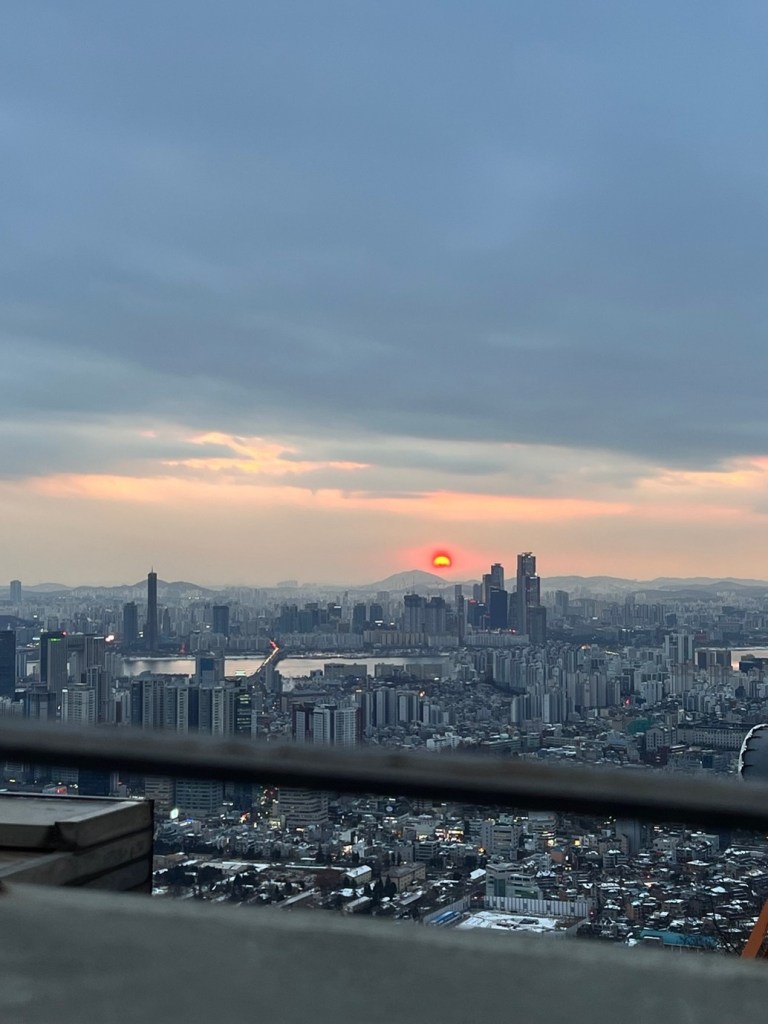
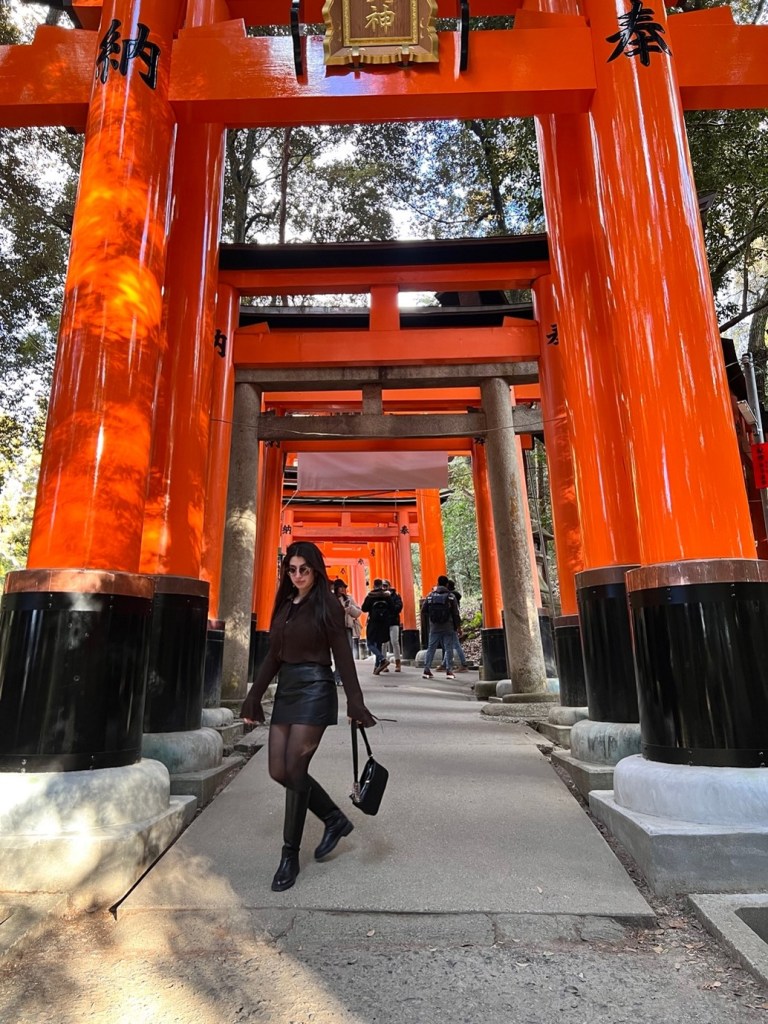
Over the Christmas break, I planned one of the most unforgettable trips, an experience I will forever cherish. I travelled to 8 countries, and although I had some savings, this trip was only possible with the help of the Turing Scheme funding. As a geography student it was surreal to see first-hand places I only learned about in textbooks. Living in South Korea made travelling easier and cheaper. I was able to visit Japan, Vietnam, Thailand, Malaysia, Singapore, Indonesia, the Philippines and Taiwan.
I wish you all the luck with your future studies and travels 😀 I hope this information becomes useful for your time in Seoul.

 Queen Mary Global Bloggers
This is such a beautifully written blog Natasha! Loved reading it. Huge YES to all the food recommendations, definitely a must try.
LikeLike
Looks amazing!! Loved reading this
LikeLike
Look at you miss blogger😍😂
LikeLike